
SXSW EDU returns to Austin March 9-12, and this year, the geography tells the story. With the Austin Convention Center closed for renovation, the event is spreading across downtown in a new, festival-style format that promises to reshape the attendee experience from the ground up.
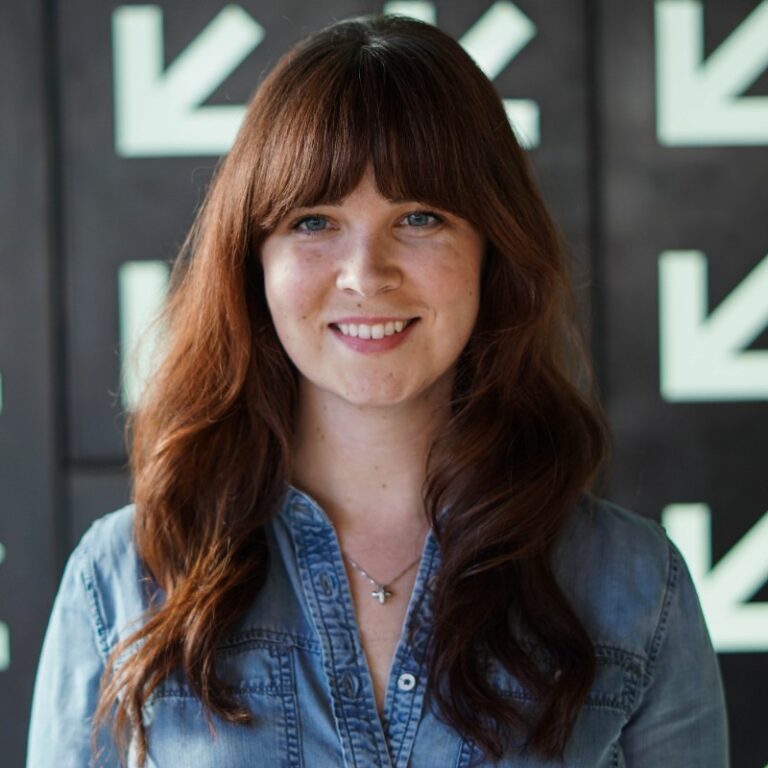
To get the inside scoop on what’s ahead, we sat down with Julia Shatilo, Senior Director of SXSW EDU, to talk about the themes driving this year’s program, how to navigate the new multi-venue format, and what first-timers and veterans alike should know before heading to Austin.
Q: What themes or trends are likely to dominate SXSW EDU this year? Are there particular sessions, speakers, or topic areas you’re especially excited about—or watching closely?
JS: Our goal is to ensure the program focuses on timely education topics, especially now, with rapid evolution in the landscape. With that said, a few areas that we’re paying more attention to include the continuing proliferation of accelerated tech development in the space, especially around AI; policy and funding impacts across the entire learning lifecycle and institutions; and community partnerships and initiatives that are filling the gaps where infrastructure has shifted.
We’re also always looking to amplify the next generation of leaders by celebrating young people’s voices at the event. For 2026, we are excited to welcome back the Texas High School Short Film program to the stage, celebrating achievement in the arts.
Ultimately, we’ve shaped the program through the lens of our four themes for this year to tackle complex issues, amplify success stories, provide inspiration, and deliver an event that showcases all facets of our community.
Q: With the Austin Convention Center closed for renovation, SXSW EDU is shifting to a new, distributed footprint across downtown Austin. What should attendees expect from this new format, and what opportunities does it create that weren’t possible in past years?
JS: The new footprint for SXSW EDU is probably the element that we’re most excited about this year, as it has enabled us to reimagine what the event journey looks like for the community. We’re looking forward to attendees experiencing downtown Austin in a new way with more conference venues and a central hub at the historic blues club Antone’s, which will serve as the SXSW EDU Clubhouse and play host to our Performance series and social events throughout the event. We’ve also updated our schedule to allow for more time to move between events and venues, so that folks can navigate and explore around the footprint at their own pace.
With the more diffuse footprint, for the first time ever, we are co-locating more of our thematic tracks within venues to help attendees better find content that they’re most interested in. But in true SXSW EDU style, we are leaving room for curiosity and discovery.
Q: With so much happening across venues and formats, how should attendees think about curating their SXSW EDU experience—especially if they can’t do it all?
JS: I always like to say that it’s important to have a plan, and plan to change it. Make sure you know what your priorities are, and take advantage of the new Reservation system for Keynotes, Featured sessions, and workshops to secure a spot in advance for your must-see moments. Reservations will open up on February 23, so make sure you make a plan to attend before then! But it’s also equally important to leave room for spontaneity – try to check out a topic that you’ve always wanted to learn more about, see a film or performance, and attend one of the social events. You never know who you’re going to meet or even learn about something that wasn’t on your radar before.
Q: What’s different about SXSW EDU this year in ways that might surprise even longtime attendees?
JS: The biggest change for this year is the footprint! But our longtime attendees in particular will know that for the last few years of SXSW EDU, we have celebrated Thursday, the last day of the event, as Crossover Day, with the SXSW community joining in exploring all things education. For the first time in 2026, Thursday, March 12 will be a true Crossover Day for the SXSW EDU and SXSW communities to come together. This means that SXSW EDU attendees will now be able to enjoy the first official day of SXSW Innovation, Music, and Film & TV. SXSW EDU registrants will be able to check out Innovation conference sessions, Music Festival showcases, and select Film & TV screenings and interact with the SXSW community like never before!
Q: For people attending SXSW EDU for the first time, what’s the most important thing to know to get the most out of the experience?
JS: Sometimes your neighbor in a session room is the most important connection you’ll make during your time with us. Whether you’re experiencing SXSW EDU as a collaborative event with colleagues, reuniting with EDU-ers from years past, or joining us as a solo attendee for the first time, the most important and powerful part of the event is the incredible community we are privileged to convene each year.
Q: What should attendees expect to walk away with this year—big ideas, practical takeaways, new partnerships, or something else?
JS: All of the above! We know that folks have a lot of different goals and priorities when it comes to how they spend their time at SXSW EDU, and we work hard to create the “special sauce” that brings everyone together in a collaborative spirit. The specially built program highlights innovative and new approaches, actionable takeaways, collaborative community projects, and more. So whether it’s something you see, hear, experience, or someone you meet, we hope attendees will meet their goals and get inspired to continue to push the needle on education.
And yes, the Whiteboard Advisors’ team will be there! Please reach out to us to let us know when you’ll be in town, or come visit us during one of the sessions featuring our own experts and initiatives:
March 9 at 4 p.m. CT — The Business of Education: Trends, Tensions, & What’s Next
March 10 at 11 a.m. CT — Building Belonging: K–12 Success for Latino Students
March 11 at 11 a.m. CT — Follow the Money: Rethinking State & Federal Funding
March 11 at 2 p.m. CT — Solving the Math Problem: Leading Change in K–12 Systems