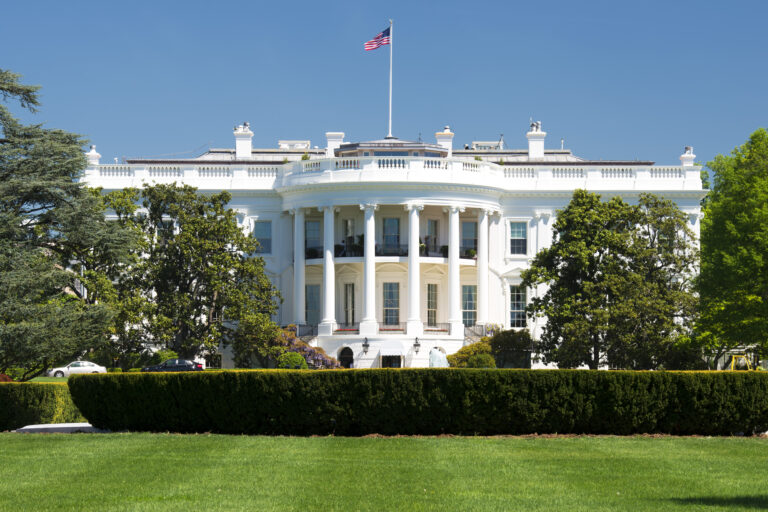
On March 20, the White House released its National Policy Framework for Artificial Intelligence: Legislative Recommendations, a brief document outlining what the Trump administration wants Congress to do on AI. It is not a rule, regulation, or executive order. It is advisory and directional, intended to shape the legislative agenda.
The brief includes seven thematic sections, each with a short framing statement followed by specific asks to Congress:
- Protecting children and empowering parents
- Safeguarding and strengthening American communities
- Respecting intellectual property rights
- Preventing censorship and protecting free speech
- Enabling innovation and ensuring American AI dominance
- Educating Americans and developing an AI-ready workforce
- Establishing a federal framework, preempting cumbersome state AI laws
We are following the final two sections most closely for their potential impact on the education industry.
Education and Workforce: Present, But Limited
The workforce and education section is brief. It asks Congress to incorporate AI training into existing education and workforce programs through non-regulatory means, expand federal study of AI-driven labor market shifts, and bolster land-grant institutions as hubs for AI youth development. The framing is consistent with the Trump administration’s broader preference for using existing structures rather than creating new programs or federal bodies.
The Preemption Provision is the One to Watch
This section is likely to generate the most attention—including among education policy audiences—because it addresses federal preemption of state AI laws. The Trump administration recommends that Congress establish a national AI standard and preempt state laws that impose “undue burdens” on AI development and use.
However, the framework also explicitly preserves state authority to regulate each state’s own use of AI, including in public education and law enforcement, and to enforce generally applicable laws protecting children and consumers.
That carve-out matters. It suggests states may retain meaningful room to set policies governing how AI is used in schools, even if federal laws eventually constrain state-level regulation of AI developers.
What’s Next
This White House framework arrives as youth tech and AI policy related legislation rise in prominence at the state and federal levels. Whiteboard Advisors has been tracking this rise closely—from the Senate’s bipartisan “Plugged Out” hearing on youth technology and online safety earlier this year, to the three distinct state-level tracks taking shape around cellphones, screen time, and social media platform regulation. The White House framework adds an additional layer to that conversation, particularly on child protection and preemption, without fully resolving the questions states and districts are already navigating.
Whether Congress moves quickly on any of these recommendations remains to be seen. For now, the framework is best read as a statement of intent.
This article is sourced from Whiteboard Notes, our weekly newsletter of the latest education policy and industry news read by thousands of education leaders, investors, grantmakers, and entrepreneurs. Subscribe here.