
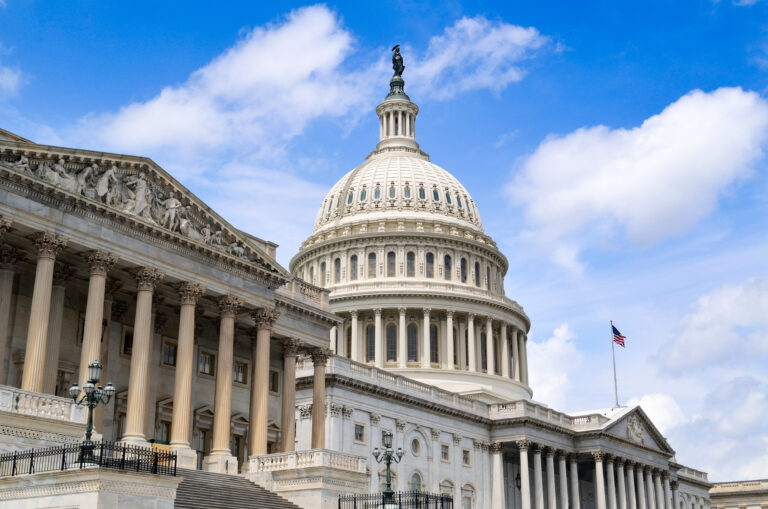
The conversation around AI in education is evolving. At a Senate hearing this week, lawmakers and witnesses spent little time debating whether AI should be used in schools. Instead, much of the discussion focused on a different challenge: how schools can distinguish between AI tools designed to support learning and those that may pose risks to student privacy, critical thinking, or well-being. [Education Week, subscription model]
What’s Happening
Witnesses pointed to a reality that is becoming harder to ignore: AI is already embedded in classrooms. The challenge now is ensuring schools adopt tools that improve teaching and learning while putting appropriate guardrails around products that pose risks to students.
What We’re Watching
Much of the hearing focused on the need to differentiate between consumer AI products and education-focused tools. Erin Mote, CEO of InnovateEDU, warned that consumer AI systems are often designed for “platform retention and user satisfaction” rather than learning. She argued that schools should focus less on whether a tool uses AI and more on whether it improves student outcomes. That distinction may ultimately shape the next phase of AI policy in schools.
Delaware Secretary of Education Cindy Marten urged lawmakers to focus on outcomes rather than the technology itself, arguing that AI should strengthen teaching rather than replace it. “No tool or curriculum teaches a child,” Marten said. “The teacher teaches the child.”
Witnesses also repeatedly highlighted the need for teacher training. More than half of schools have not provided professional development on the safe use of AI, according to testimony, even as adoption continues to grow.
At the same time, several speakers acknowledged that policymakers are being asked to make decisions about a technology whose long-term effects remain uncertain. Witnesses called for additional research into AI’s impact on student learning, cognition, and development, noting that evidence has not kept pace with adoption.
While lawmakers differed on the role the federal government should play, the hearing revealed broad agreement on one point: artificial intelligence is likely to remain a growing part of American classrooms.
The bottom line: The debate is increasingly focused not on whether schools will use AI, but on how educators, policymakers, and families decide which tools are worthy of students’ trust.
This article is sourced from Whiteboard Notes, our weekly newsletter of the latest education policy and industry news read by thousands of education leaders, investors, grantmakers, and entrepreneurs. Subscribe here.