
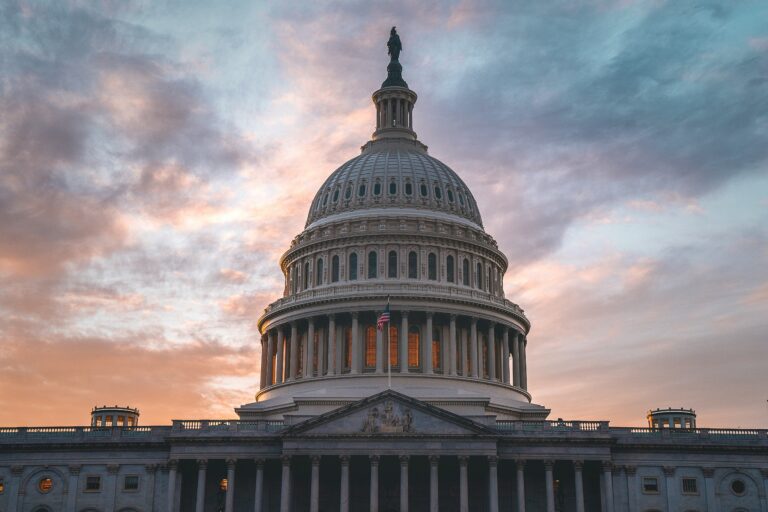
On February 3, Congress passed—and President Trump signed—the latest funding package by a narrow 217-214 vote, ending a brief partial government shutdown caused by a lapse in appropriations. The package includes $79 billion for the U.S. Department of Education through September 30.
Funding Overview and Program Levels
The compromise maintains level funding for core K-12 and higher education programs, including:
- Title I level funding at $18.4 billion
- IDEA Part B for special education at roughly $15 billion
- TRIO at $1.2 billion
- Pell Grants held at a maximum award of $7,395
It also preserves funding for after-school programs, career and technical education, and other key federal supports. Crucially for states and districts, the bill requires the Department to obligate formula grants by their statutory deadlines, including the typical July 1 timing for Title I allocations—an effort to prevent a repeat of last year’s Office of Management and Budget freeze
Ensuring ED Funds are Disbursed to States
While the bill does not include statutory prohibitions on transferring departmental responsibilities, the explanatory language asserts that the Education Department lacks authority to shift its programs wholesale under prior interagency agreements—a clear signal from Congress rejecting the Trump administration’s efforts to shrink or dismantle the agency through executive action. It also directs ED to provide biweekly briefings to lawmakers on implementation of any such agreements.
The bill’s language represents a compromise: Democrats had sought explicit legislative blocks on transfers of programs and staff, while the Trump administration argued report language was nonbinding.
School Improvement is Back in Focus
The Labor–HHS–ED appropriations conference report highlights the critical, but seemingly dormant, ESEA Section 1003 regarding school improvement. Beginning on page 268 of the Senate Committee Report, Congress directs ED to elevate compliance around school support and improvement. (Remember: the detailed funding tables included in House and Senate reports are “read into” the statute itself as a way to mitigate OMB disruptions.)
“The Department must continue to increase its efforts to ensure compliance of these requirements at all levels, including through additional technical assistance, support, and monitoring. This should also include consideration of the least burdensome ways to monitor, support, and ensure compliance of SEA, LEA, and school support and improvement requirements.”
ED has spent the last year moving away from heavy-handed oversight of school improvement, especially compliance-driven approaches tied to identification, intervention models, and state monitoring. Yet, Congress is moving in the opposite direction, reaffirming that school improvement is not optional and is not merely a technical assistance exercise, but a core accountability function of the agency under ESEA.
Whether this translates into sustained enforcement or remains largely aspirational remains to be seen—but the signal is unmistakable. School improvement oversight is back as a congressional priority (though it never went away as a legal requirement).
What’s Next
The broader funding package also ends the partial shutdown triggered by a dispute over Homeland Security funding, but leaves DHS on a short-term funding cliff in mid-February, setting the stage for further negotiations around immigration enforcement reforms.
For the education sector, the result is continued certainty for federal program funding in FY 2026, coupled with continued oversight of the administration’s structural priorities. However, the underlying policy debates around federal roles in education, department authority, and interagency transfers remain very much alive going into the spring appropriations cycle.
This article is sourced from Whiteboard Notes, our weekly newsletter of the latest education policy and industry news read by thousands of education leaders, investors, grantmakers, and entrepreneurs. Subscribe here.