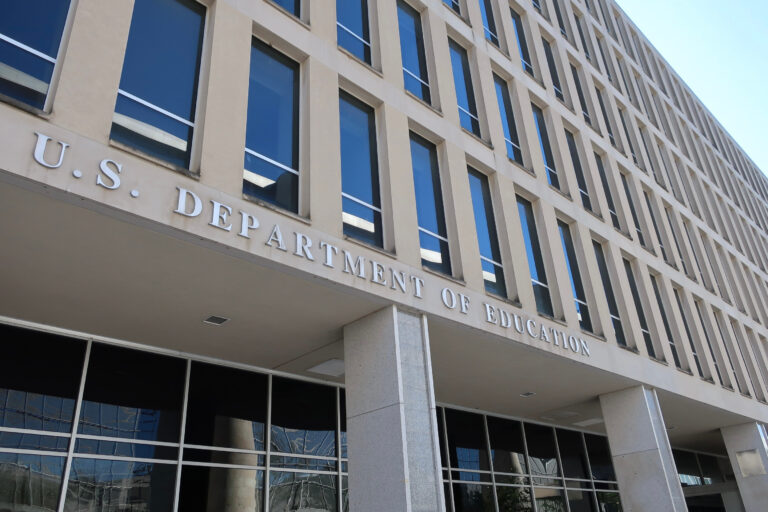
For those tracking federal education priorities, two recent Federal Register notices from the U.S. Department of Education are worth watching.
First, a quick refresher: The Federal Register is the government’s platform for notifying the public about proposed regulations, grant priorities, and other public notices. When agencies publish proposals, they are required to have a comment period, which allows for the public—including educators, policymakers, advocates, and organizations—to provide input before regulations are finalized.
On September 25, the Department released two proposed supplemental priorities and definitions:
- Career Pathways and Workforce Readiness: This notice emphasizes preparing students for “good jobs” through high-quality career pathways alignment with labor market needs and stronger partnerships between K–12, higher ed institutions, and employers.
- Meaningful Learning Opportunities: This notice calls for expanding authentic, real-world learning such as work-based experiences, project-based learning, and dual enrollment to ensure students build both academic and durable skills that translate beyond the classroom.
Why it Matters
Both priorities underscore an administration focus we’ve seen in other contexts: ensuring education is tightly connected to economic mobility. Much like ED’s Senior Advisor Penny Schwinn highlighted in our recent Q&A, the emphasis here is on flexibility, relevance, and alignment—helping states and districts redesign systems so every student graduates ready for college, career, and civic life.
What to Watch
- How states and districts respond—particularly those already innovating with work-based learning and career pathways.
- To what extent federal grant competitions begin to require or reward proposals that advance these definitions once finalized.
- Signals of a broader policy agenda: elevating “durable skills,” smoothing transitions between secondary and postsecondary, and prioritizing ROI for students.
Public comments on both priorities are open through October 27, and anyone can submit feedback via Regulations.gov.
This article is sourced from Whiteboard Notes, our weekly newsletter of the latest education policy and industry news read by thousands of education leaders, investors, grantmakers, and entrepreneurs. Subscribe here.