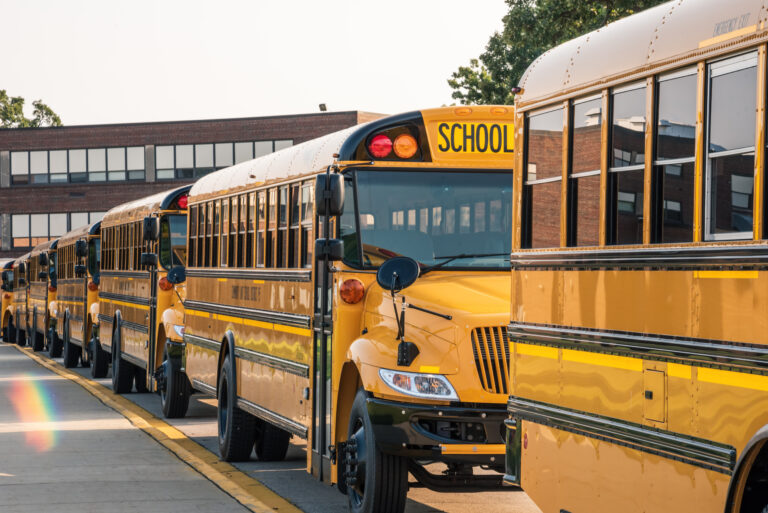
The FCC voted 2-1 to end schools’ and libraries’ ability to use E-Rate discounts for Wi-Fi hotspots and connectivity on school buses, reversing 2023-24 expansions adopted under the Biden administration. [The Associated Press]
Why it Matters
Districts and libraries leaned on these options to extend learning time and close “homework gap” inequities for students without reliable home broadband—especially in rural communities. The rollback could widen access disparities and force mid-year budget fixes. [K-12 Dive]
Catch up quickly: The E-Rate program, created in 1996, provides discounted telecommunications and internet services to schools and libraries. In July 2024, the FCC, under then-Chair Jessica Rosenworcel, voted to expand the program to include mobile hotspots that could be used off-campus. The rule was part of a broader “Learn Without Limits” initiative, including proposals for Wi-Fi on school buses and cybersecurity support. [Bloomberg Government, subscription model]
By the Numbers
- $42.6 million in hotspot requests and $15.3 million in bus Wi-Fi requests have already been submitted for next year
- More than 12,500 libraries and 106,000 schools used E-Rate connectivity support last year
- About 1 in 5 U.S. households still lack broadband at home
What’s Next
The FCC’s reversal leaves districts and libraries in a bind. Many had already budgeted for hotspots and bus routers, expecting E-Rate to help cover the cost. Now, leaders are weighing how to backfill that funding—whether through state broadband initiatives, local partnerships, or philanthropy.
This article is sourced from Whiteboard Notes, our weekly newsletter of the latest education policy and industry news read by thousands of education leaders, investors, grantmakers, and entrepreneurs. Subscribe here.