
On July 29, the U.S. Department of Justice (DOJ) issued a nine-page guidance memo outlining whether, how, and why certain practices may violate federal civil rights laws. The memo applies to all recipients of federal funds, including colleges, universities, and K-12 systems, and warns that noncompliance could result in a loss of federal grant funding.
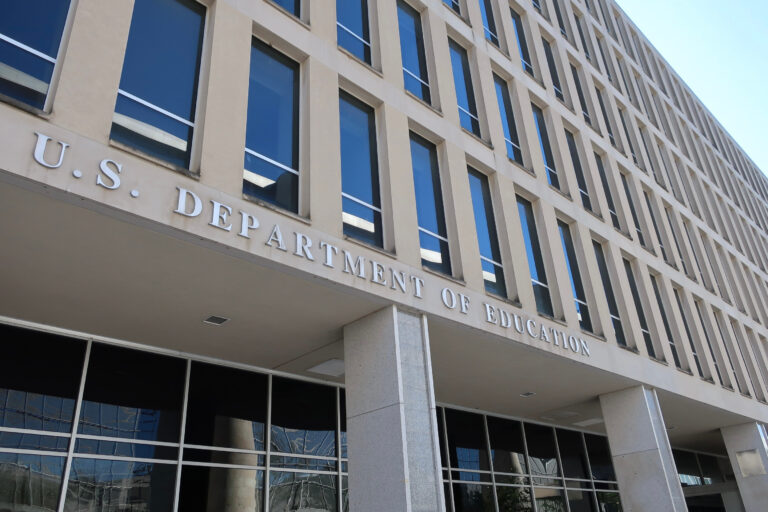
The DOJ memo follows similar guidance from the Department of Education earlier this year, which was temporarily blocked in federal court. It signals continued federal focus on how civil rights laws are interpreted and enforced in educational settings.
Highlights:
- Unsurprisingly, DOJ focuses its attention on programs or policies that explicitly consider race (e.g., scholarships, mentorships, and leadership opportunities) without satisfying Constitutional requirements.
- The DOJ also cautioned that even “facially neutral” policies may raise legal concerns if they appear to function as proxies for race or gender. Examples include:
- Admissions or hiring preferences based on “lived experience,” “cultural competence,” or having “overcome obstacles.”
- Recruiting from specific geographic regions associated with particular demographic groups.
- Institutions are advised against using diversity statements in hiring or admissions if they advantage candidates based on protected characteristics.
Single-sex spaces and athletics: The memo reiterates that federally funded institutions must maintain sex-separated spaces, such as bathrooms, locker rooms, and athletic teams, in accordance with biological sex, noting that noncompliance could create legal exposure under Title IX and Title VII. [Higher Ed Dive]
The bottom line: While the DOJ memo is framed as guidance—not a binding rule—it reflects a likely shift in federal scrutiny of programs and practices that skirt constitutional lines. Institutions are likely to reevaluate existing policies to assess legal risk and compliance.
This article is sourced from Whiteboard Notes, our weekly newsletter of the latest education policy and industry news read by thousands of education leaders, investors, grantmakers, and entrepreneurs. Subscribe here.